Syllabus for Math 597E, Spring 2007
   
Instructor: Nigel Higson
Email address: higson@math.psu.edu
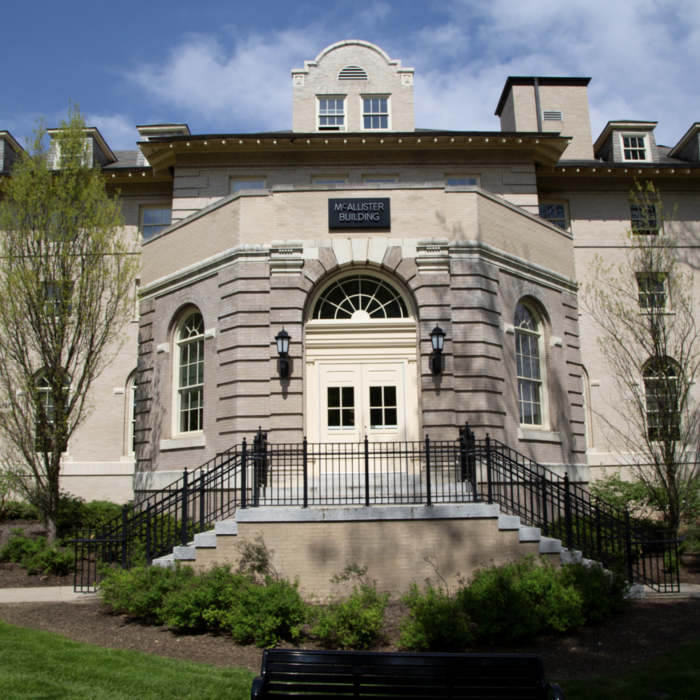
Office: 228 McAllister Building
Office Hours: By appointment
   
Class meeting time: Tuesdays and Thursdays 1:00-2:15
Location: 113 McAllister Building
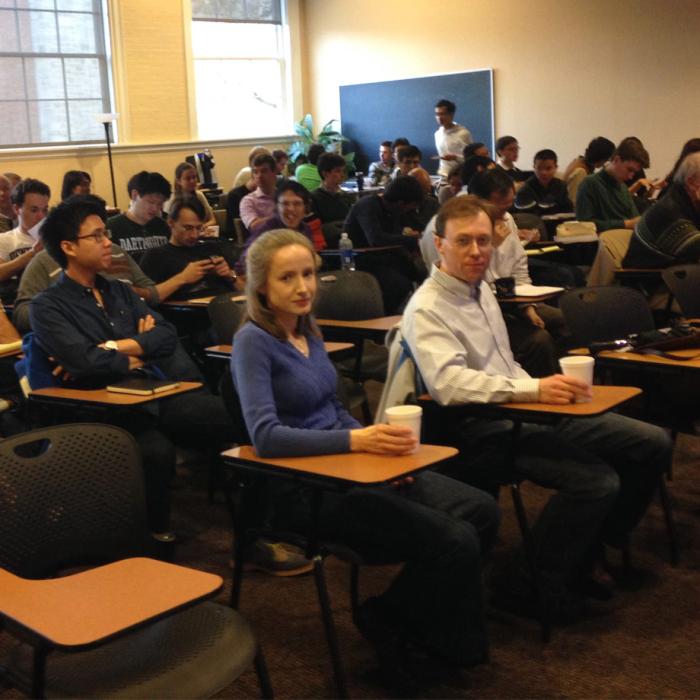
Short description: Math 597E is the Graduate Student Seminar. The main goals of the course are to give participants early practice in the preparation and delivery of mathematics lectures (beyond the elementary lectures they give as instructors); to expose them to a variety of important mathematical topics that they might not otherwise encounter in their classes; and to bring them into contact with the faculty and their research interests through faculty presentations and faculty assistance in the preparation of student presentations. The course will also touch on other topics, including mathematical writing and points of mathematical etiquette and ethics.
   
More details: The major assignments in the course will be the preparation and presentation of a half-hour lecture before Spring Break and an hour lecture after the break. Further details about these assignments will be posted on the resources page for this course and discussed in class. Please make special note of the various deadlines for choosing presentation topics, obtaining approvals, and meeting with me to discuss your presentations. In addition to the presentations there will be occasional reading or writing assignments that will be announced in class.
Assessment: Students will be assessed on basis of their performance on the class assignments, especially on the effectiveness of their presentations.
Attendance: Students should attend all class meetings.
   
Academic Integrity: Students must adhere to the University's and the College's standards of academic integrity. The University defines academic integrity as "the pursuit of scholarly activity in an open, honest, and responsible manner." It further states that "Academic integrity includes a commitment not to engage in or tolerate acts of falsification, misrepresentation or deception. Such acts of dishonesty violate the fundamental ethical principles of the University community and compromise the worth of work completed by others." See this page for more information about the University and College academic integrity policies. For a compelling account of what honesty and integrity should especially mean for a scientist (or a mathematician), read this famous speech given by Richard Feynman.